
It's the last week of the quarter. Your foundation report is due Friday. And you're staring at a spreadsheet, trying to reconcile program data from three different sources while your ED asks—again—if the numbers are ready yet.
Sound familiar?
For most nonprofits, grant reporting is one of the most time-consuming, stressful, and error-prone parts of operations. It's also one of the most important—because accurate, timely reporting is what keeps funders happy and grants renewed.
The good news? Grant reporting doesn't have to be this painful. Automation is transforming how nonprofits handle compliance—reducing reporting time from days to minutes while actually improving accuracy. Here's how it works and what it could look like for your organization.
The Real Cost of Manual Grant Reporting
Before we talk about the solution, let's be honest about the problem. Manual grant reporting costs your organization in ways you might not fully realize.
Time That Could Go Elsewhere
The average nonprofit with multiple funders spends 15-30 hours per month on grant reporting. For small teams, that's the equivalent of a part-time position dedicated entirely to pulling data, formatting documents, and double-checking numbers. Those hours come directly out of program delivery, fundraising, and strategic work.
Errors That Damage Trust
When you're manually copying data between systems, errors happen. A transposed number. A formula that breaks. A metric that gets calculated differently than last quarter. These mistakes might seem small, but they can trigger funder questions, audit flags, or—worst case—damaged relationships with funders who lose confidence in your data.
Stress That Burns People Out
Ask any grant manager or ED what their least favorite week of the quarter is, and they'll likely point to reporting deadlines. The stress of assembling reports under time pressure—while juggling every other responsibility—contributes directly to burnout. And in a sector already struggling with retention, that's a cost you can't afford.
Opportunity Costs You Can't See
Every hour spent on manual reporting is an hour not spent cultivating donor relationships, writing new grant proposals, or improving programs. The opportunity cost compounds over time. Organizations with efficient reporting can pursue more funding, respond faster to opportunities, and operate more strategically.
What Automated Grant Reporting Actually Looks Like
When we talk about automated reporting, we're not talking about magic. We're talking about systems that do the tedious work for you—so you can focus on the parts that actually require human judgment.
Here's what the automated version looks like:
Data Flows Automatically
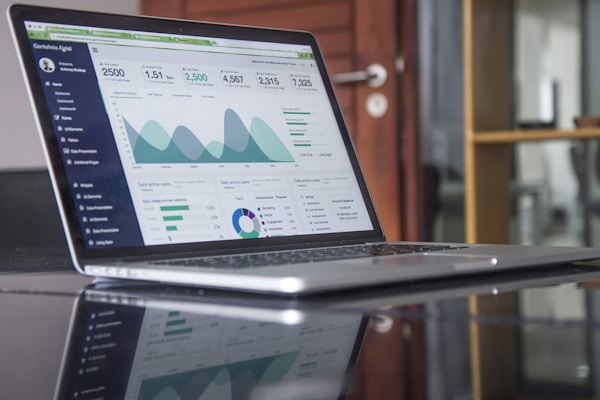
Instead of manually exporting data from your program database, your CRM, and your accounting software, automated systems pull data continuously from all your sources. Program outcomes, financial figures, and participant counts all flow into a central dashboard—updated in real time, not just when someone remembers to run an export.
Reports Generate On Demand
When a report is due, you don't start from scratch. You click a button, and the system generates a formatted report using current data—complete with the metrics, charts, and narrative sections your funder requires. What used to take a full day now takes minutes.
Narrative Drafts Are Pre-Written
AI-powered tools can draft narrative sections based on your data and your organization's voice. You're not staring at a blank page wondering how to describe your outcomes—you're reviewing and refining a draft that's already 80% there. The human touch comes in editing and adding context, not in writing from scratch.
Compliance Is Built In
Automated systems can be configured to match each funder's specific requirements—their preferred format, their required metrics, their reporting timeline. The system remembers what each funder needs, so you don't have to. Compliance becomes a byproduct of the process, not an extra layer of work.
Historical Data Is Always Accessible
Need to compare this quarter to last year? Pull a three-year trend analysis? Show cumulative outcomes across a grant period? Automated dashboards make historical comparisons instant. No digging through old files or trying to remember how you calculated something twelve months ago.
The bottom line: Automated reporting doesn't just save time—it fundamentally changes your relationship with compliance. Instead of dreading funder reports, you approach them with confidence. Instead of scrambling at deadline, you're reviewing data throughout the quarter. Instead of hoping the numbers are right, you know they are.
The Real Impact: What Organizations Are Experiencing
Numbers tell part of the story. Here's what we typically see when organizations implement automated grant reporting:
- 80-90% reduction in report preparation time. A report that took 6-8 hours now takes 30-45 minutes, most of which is review and refinement rather than data assembly.
- Near-zero data entry errors. When data flows automatically, there's no opportunity for transcription mistakes. The numbers in your report match the numbers in your source systems—always.
- Improved funder relationships. Organizations report that funders notice the difference. Reports arrive on time, formatted correctly, with consistent methodology quarter over quarter. That professionalism builds trust.
- Better internal visibility. When your data is organized for automated reporting, it's also organized for your own use. EDs can check program outcomes anytime—not just when a report forces them to compile the numbers.
- Reduced staff stress. The psychological burden of reporting deadlines drops significantly when you trust your systems. Staff describe feeling "relief" and "freedom" when they no longer dread the end of the quarter.
What It Takes to Get There
Automated grant reporting isn't something you can implement overnight—but it's also not as complicated as you might think. Here's a realistic picture of what's involved:
Step 1: Map Your Current Reporting Process
Before automating anything, you need to understand exactly how reports are created today. Where does the data come from? Who touches it? What calculations are performed? What formatting does each funder require? This mapping reveals both the pain points and the automation opportunities.
Step 2: Clean and Organize Your Data
Automation runs on data—and it needs that data to be consistent, complete, and well-organized. This often means cleaning up historical records, standardizing how information is entered, and ensuring your source systems are reliable. (This is the step many organizations skip, and it's why their automation projects struggle.)
Step 3: Build Connections Between Systems
Automated reporting requires data to flow from where it lives (your CRM, your program database, your accounting software) into a central reporting system. This might involve API integrations, automated exports, or middleware that connects your tools. The goal is eliminating manual data transfer.
Step 4: Configure Funder-Specific Templates
Each funder has different requirements—different metrics, different formats, different timelines. Your automation system needs to know these requirements so it can generate compliant reports. This configuration is a one-time setup for each funder, and then it runs automatically from there.
Step 5: Train Your Team
Automated systems only work if people use them correctly. Your team needs to understand how to enter data consistently, how to generate reports, and how to troubleshoot common issues. Good training turns automation from a black box into a trusted tool.
Addressing Common Concerns
We hear similar questions from almost every organization considering reporting automation. Here's how to think through them:
"What if our funders have very specific requirements?"
Good automation systems are configurable to each funder's needs. In fact, this is one of the strengths of automation—once you've set up a funder's requirements, the system remembers them perfectly every time. No more wondering if you're using the right template or calculating metrics the way you did last quarter.
"Will funders accept reports generated by automation?"
Funders care about accurate, timely, well-formatted reports—they don't care how you produced them. Automated reports still require human review and approval before submission. You're not removing the human element; you're removing the tedious data assembly and formatting work.
"What about the narrative sections that require context and judgment?"
AI can draft narrative sections, but humans always review and refine them. Think of it like having a first draft written by a knowledgeable assistant—you're editing and adding context, not starting from a blank page. The stories, the nuance, the organizational voice—that's still you.
"We have limited tech capacity. Can we really do this?"
Reporting automation doesn't require technical staff on your end. The implementation is done by specialists who understand both the technology and nonprofit operations. Once set up, the system is designed to be used by anyone—no coding, no technical expertise required.
"How do we fund this?"
Reporting automation is exactly the kind of capacity-building investment that foundations love to fund. It improves compliance, strengthens operations, and demonstrates organizational maturity. Many organizations successfully include automation projects in capacity-building grant requests—and funders say yes.
Is Your Organization Ready?
Reporting automation makes the most sense for organizations that:
- Report to multiple funders with different requirements
- Currently spend significant time on manual data assembly
- Have experienced errors or inconsistencies in past reports
- Feel stressed about compliance deadlines
- Want to improve visibility into program outcomes
If any of these describe your organization, automated reporting could transform your operations.
Take the First Step
Curious what automated reporting could look like for your organization? We can help you find out.
Schedule a free Reporting Assessment where we'll:
- Map your current reporting process
- Identify your biggest time sinks and error risks
- Show you exactly what automated reporting could look like
- Provide a realistic roadmap for implementation
No obligation, no sales pressure—just a clear picture of what's possible. Because grant reporting should be a source of confidence, not stress.
Your next funder report doesn't have to be painful. Let's make it effortless.
Schedule a Free Reporting Assessment